


Wir freuen uns auf die Zusammenarbeit und beraten Sie gern.

More value from e-waste, including low-grade circuit boards

Critical raw materials such as tantalum, gallium, indium and titanium are essential for modern high-tech products. Rising demand, limited availability and geopolitical risks threaten supply. E-waste is one of Europe’s richest sources of raw materials: the EU alone generates more than five million tonnes a year. So far, though, mainly bulk metals and gold are recovered from it, and many technology metals are lost. The main reason is that recycling technologies for them are missing or not economic.


The potential of low-grade circuit boards

A large share of circuit boards in e-waste doesn’t come from smartphones or servers. It comes from power supplies and household and industrial appliances. These low-grade boards contain little precious metal, so they’re barely worthwhile for smelters and refiners, and they’re often sold for very little.


E-Waste Recycling by WEEEfficient: our froth flotation step before the smelter concentrates the valuable metals and turns a hard-to-use waste stream into a tradable concentrate. At lab scale, this raised the copper content of low-grade boards from about 16 % to almost 80 %.
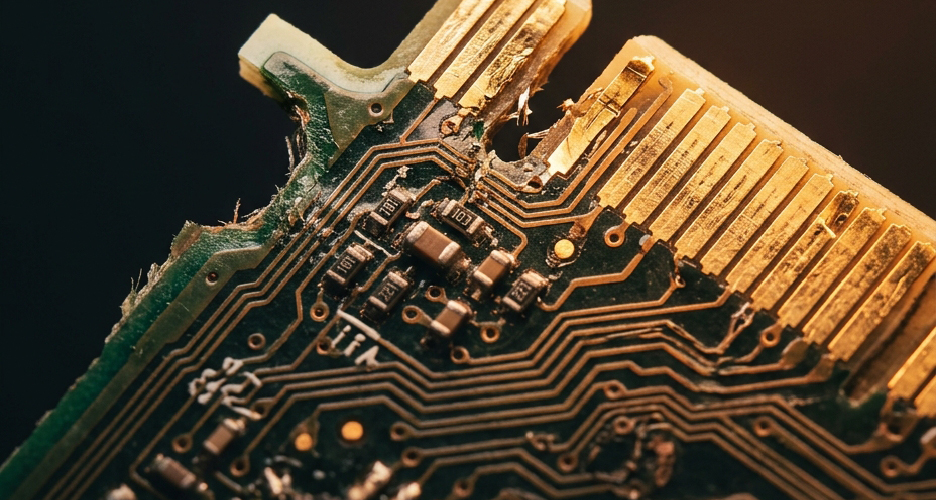
WEEEfficient team, PCB recycling Freiberg
icon_teaser_forschung_red

Three-stage recovery process

1. Froth flotation

The circuit boards are shredded, and froth flotation separates the metals from the plastics. Valuable metals such as gold, copper, silver and palladium are concentrated into a metal-rich fraction ready for smelting.


2. Magnetic separation

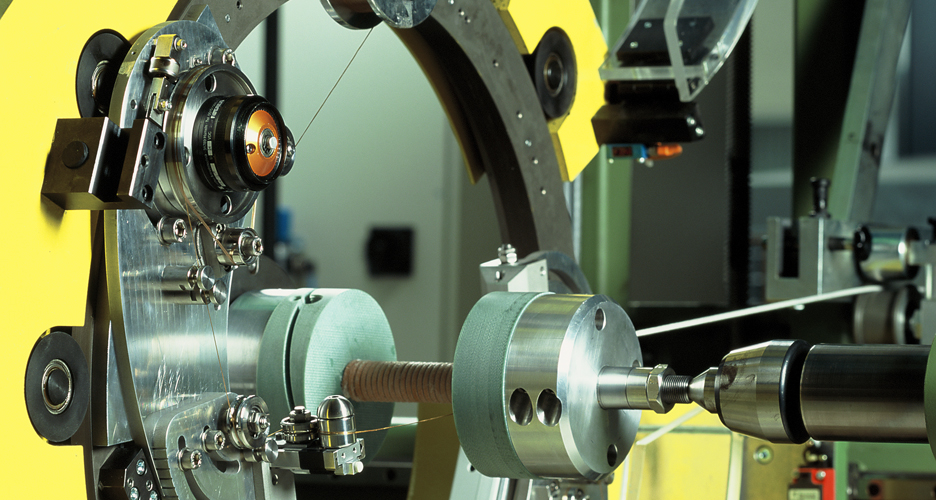
A patent-pending carrier magnetic separation process recovers critical metals such as tantalum and titanium. It is selective and energy-saving, uses few chemicals, and can be adapted to different material streams.


3. Biological Metal Recovery

Bioleaching uses microorganisms to dissolve metals that the earlier steps leave behind. This includes indium from touchscreens and residual gold from the flotation tailings. Biologically produced peptides then selectively recover the dissolved metals. This replaces aggressive chemicals with biological processes.


Spin-off from the Helmholtz Institute Freiberg

WEEEfficient GmbH, based in Freiberg, is a spin-off from the Helmholtz Institute Freiberg for Resource Technology (HIF) at HZDR. It was founded in August 2026. HZDR Innovation GmbH holds a stake in the company.


WEEEfficient is developing a process that turns electronic waste into marketable metal products. This gives recyclers a new way to sell their fractions at higher value and enables the recovery of critical metals.


Funded by the federal government

SPRIND | Federal Agency for Breakthrough Innovation

In August 2025, SPRIND, Germany’s Federal Agency for Breakthrough Innovation, launched the “Tech Metal Transformation” challenge on recovering critical metals from complex waste streams.


In December 2025, the WEEEfficient team was selected as one of eight teams. Over several competition stages, the process is being developed further, up to a prototype, and evaluated.

06.01.2026 | HZDR Press Release on the SPRIND challenge
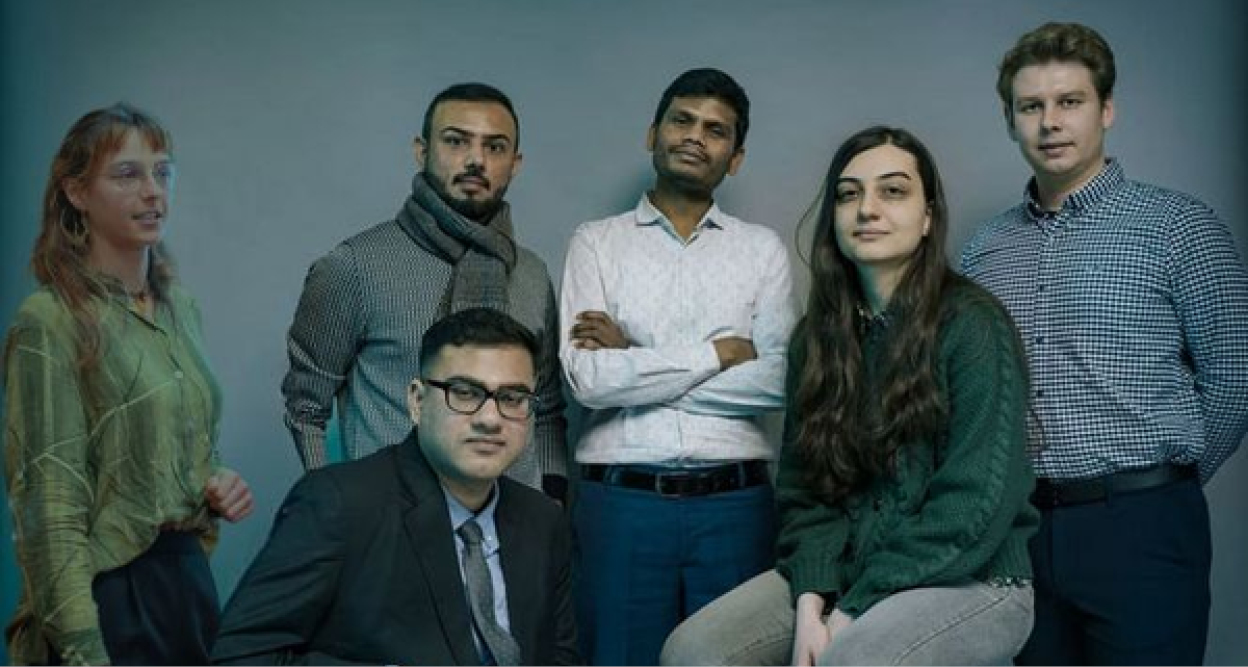
WEEEfficient team, PCB recycling Freiberg

icon_teaser_contact_white

Get in touch!

Are you a recycler or dismantler and want to get more value from your circuit-board fractions? We look forward to hearing from you.


WEEEfficient GmbH, Freiberg
Ali Hassan, Managing Director

a.hassan@weeefficient.com

For the latest news, visit weeeficient.com